1. Call and describe
The caller explains what happened, where the vehicle is and what it was exposed to. This shapes the plan and the gear.
David City, NE · Butler County
Blood, vomit, urine or waste in a vehicle in David City is a job for protective gear and proper disposal. Call (877) 812-4220 and cleaners will contain the cabin, clean it and haul the waste.
If anyone is in danger, call 911 first. For a suicide crisis, call or text 988.
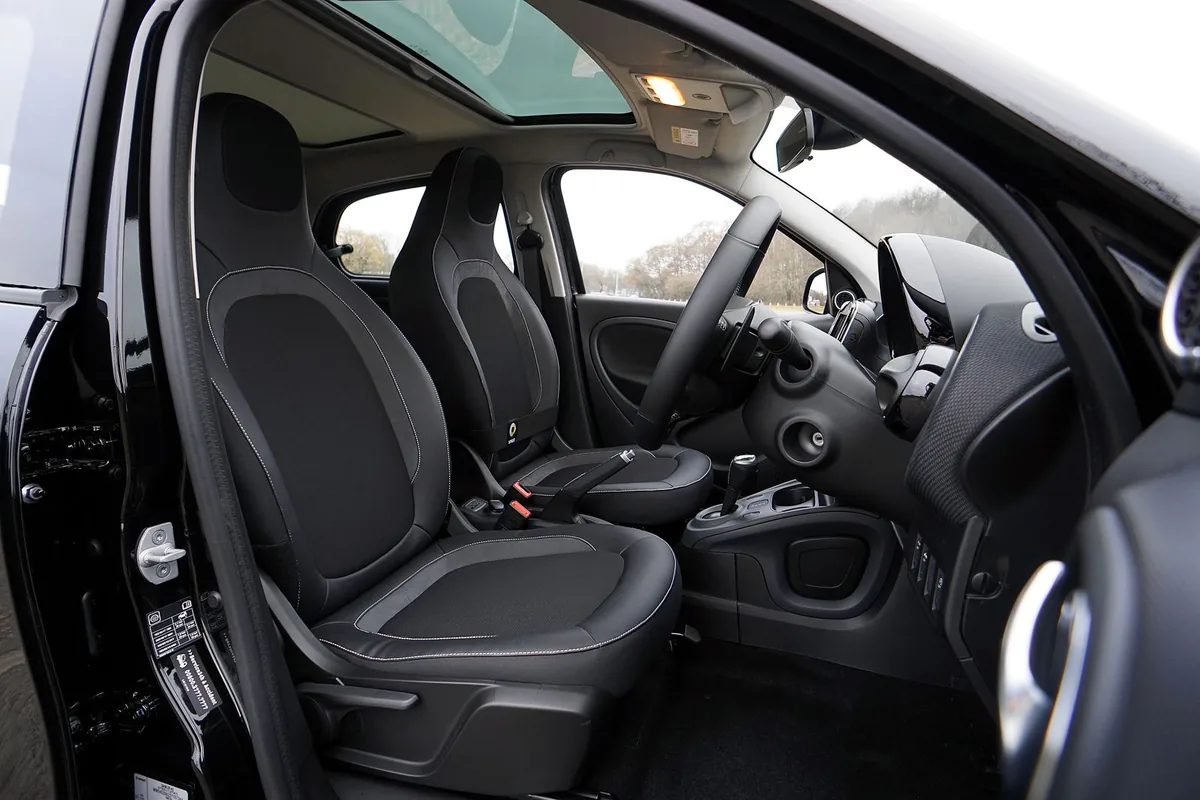
Vehicle biohazard cleanup is the safe removal and disinfection of blood, body fluids and other contaminants from the inside of a car, truck, van or bus. Cleaners treat the fluids as possible carriers of infectious germs.
From one stained seat to a full interior, you can get car biohazard cleaning for David City and the rest of Butler County by calling David City Biohazard Cleanup Help. The work is private, careful and focused on safety.
The nearest emergency room, Butler County Health in David City, is about 1 miles away. Call 911 for injuries first; cleanup comes after. In David City, summer heat bakes odors into foam, headliner and vents, which is why the source must be removed instead of masked.
What vehicle biohazard cleanup covers:
The caller explains what happened, where the vehicle is and what it was exposed to. This shapes the plan and the gear.
Technicians wear full protective equipment and limit access to stop cross-contamination.
Fluids are lifted from every surface they reached. Soaked items are removed and the remaining surfaces are sanitized.
Lingering smells are treated, the waste is hauled away, and a last inspection confirms the vehicle is ready.
Most vehicle biohazard cleanup jobs in David City, NE cost between $500 and $5,000, based on published cost guides.
Where the vehicle sits can change the price. Work in a garage is simpler than work in an open lot or tow yard.
| Type of job | Typical range |
|---|---|
| Vehicle biohazard cleanup | $500 - $5,000 |
Figures are planning ranges from BioCleaners Directory, not a price for any specific David City property. Price drivers include type of interior materials, how serious the event was, time since the event, air system decontamination. Call (877) 812-4220 any hour.
People use both phrases. Most of the time they mean decontaminating a vehicle that holds blood or other body fluids. Chemical spills are a separate hazard, and a cleanup team can say whether it can handle a specific one.
Yes. Blood can carry bloodborne pathogens such as hepatitis B and HIV. Dried blood can still be hazardous, and enclosed cabins hold odor. That is why the area is cleaned with protection and disinfected.
A vehicle where a death occurred is cleaned only after law enforcement or the medical examiner releases it. The team removes contaminated materials, disinfects and treats odor, which can settle into seats, headliner and vents.
It depends on the vehicle, the amount of contamination and how much has to be removed. A single stained seat is a shorter job than a cabin with fluids on many surfaces. Odor treatment can add time.
Often, yes. Crews can work in a driveway, garage or lot, depending on space, weather and the extent of the contamination. Some vehicles are moved to an enclosed space to keep the work private and contained.
Yes. A regular detail cleans dirt and stains with household products. Biohazard car detailing starts with decontamination, then moves to restoring the finish. Skipping the first step leaves germs and odor behind.
Call (877) 812-4220 and describe what is in the vehicle.
Call (877) 812-4220